Homeowner's Guide
Roofing in D.C.'s Historic Districts: A Homeowner's Guide
What the rules are, when approval kicks in, and how to get your roof done right — without the guesswork.
The Basics
Why D.C. Has So Many Historic Districts
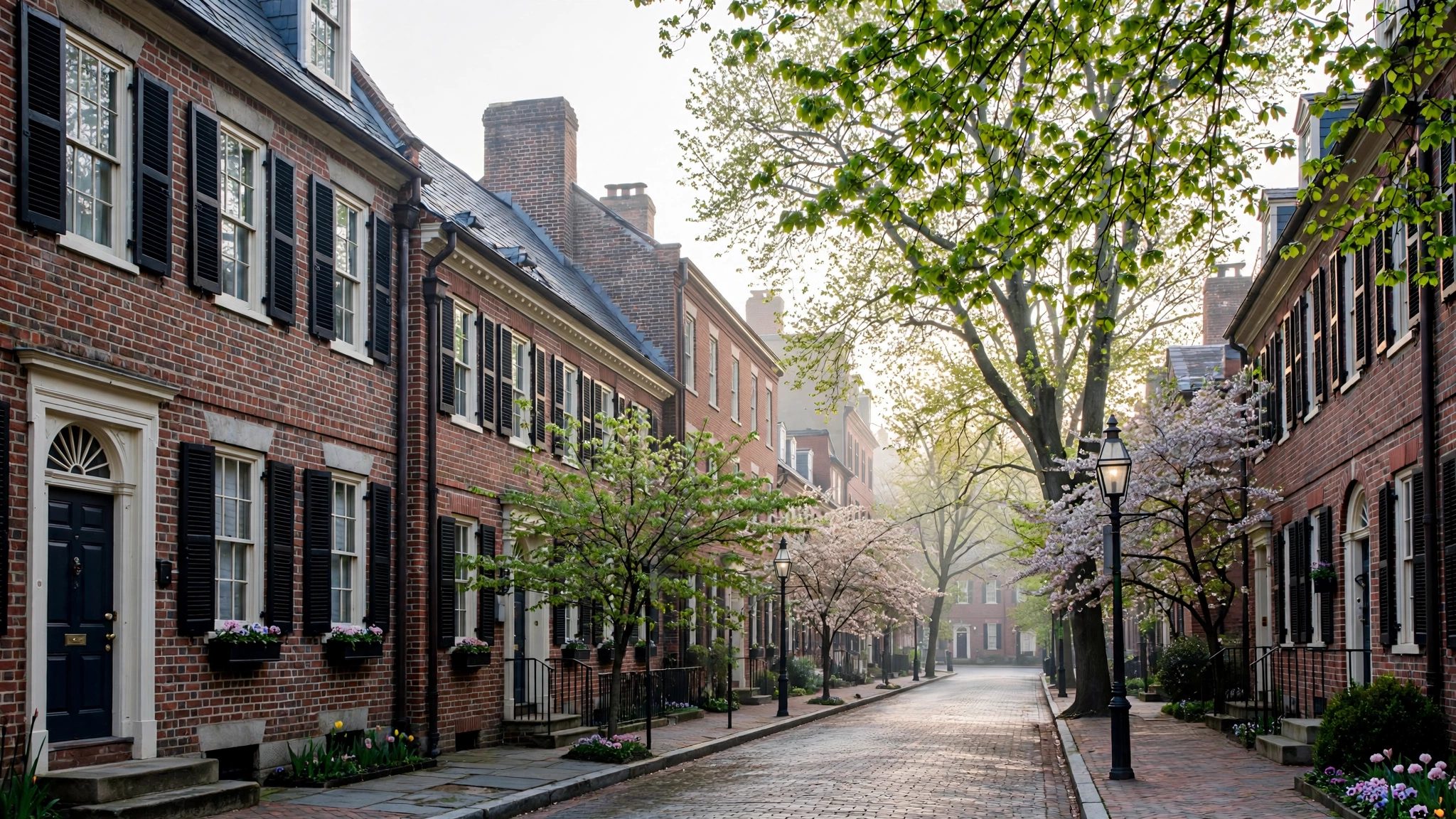
Washington, D.C. holds one of the densest collections of historic districts in the country. Places like Georgetown, Capitol Hill, and dozens of smaller districts protect the streetscapes that make the nation's capital look the way it does — and roofs are a huge part of that look. A row of slate mansards or standing-seam metal roofs isn't just shelter; it's the character the district was designated to preserve.
That means roofing work in these areas follows different rules than a standard replacement. This guide explains those rules in plain language — but treat it as a starting point, not legal advice. When in doubt, confirm everything with DC's Historic Preservation Office (HPO).
The Review Process
What HPO Review Is — and When It Kicks In
HPO review is the District's process for making sure exterior changes in historic districts preserve the area's character. The Historic Preservation Office — part of the DC Office of Planning — reviews proposed work, and significant changes may also go before the Historic Preservation Review Board.
It kicks in for visible exterior features, and roofs very much count: the slope, the material, and the details (flashing, dormers, cornices) all contribute to the historic appearance. A project that keeps the same look is a very different conversation than one that changes it.
What Usually Needs Approval
Full roof replacements, changes in roofing material (slate to shingle, for example), alterations to the roof's shape or visible details, and new penetrations or additions that change the appearance. When in doubt, assume it needs review.
In-Kind Repair
Fixing a roof with matching materials — replacing broken slates with slates, resealing the same flashing — is generally the simplest path. In-kind repairs often face lighter review than replacements, since the appearance doesn't change.
Important: rules vary by district, and this is general guidance. Always confirm your specific project with HPO before work begins.
Materials
Appropriate Materials for Historic Roofs
The guiding principle in historic districts is simple: preserve the historic appearance. In practice, that usually means matching the original material — natural slate on slate roofs, standing-seam metal where it was original, or tile where the home was built with it.
Slate deserves special mention. It's the signature material of D.C.'s historic streetscapes, and preservation generally favors repairing slate over replacing it with something else. Individual broken or slipped slates can often be replaced one by one, and reclaimed slate can match aged roofs when new stone would look out of place. We cover this in depth on our slate & tile roofing page.
Matching profiles matters too — the size, exposure, and color pattern of the roofing material are all part of the historic look. A roofer experienced in historic work will know how to source and match these details.
Choosing a Roofer
Working With a Roofer Who Gets It
Historic-district roofing rewards experience. You want a roofer who understands slate and traditional details, who documents existing conditions properly, and who won't be surprised when HPO asks questions.
- Small local team led by owner Diego
- Slate repair, restoration & matching experience
- We document conditions & advise on approval
- Free inspections & written proposals
- Licensed & Insured
Our role in the approval process is honest and practical: we document your roof's existing conditions, provide detailed scopes and material specifications, and advise on what's typically approvable. You submit the application to HPO — we make sure you go in with the right documentation.
Costs
What Historic-District Roofing Costs
We'll be straight with you: historic-district roofing is always custom. Slate sourcing, matching century-old details, and review requirements mean no two projects price the same — which is why we don't publish ranges for this work.
The way to get a real number is a free inspection and a written proposal tailored to your home. Call (571) 241-5535 and we'll come take a look.
FAQs
Historic District Roofing Questions
How do I know if my home is in a historic district?
Start with the DC Historic Preservation Office — HPO's online resources can confirm whether your property is designated or sits inside a historic district, and many homeowners don't realize their block is covered. Your real estate records or title paperwork may also note designation, but HPO is the authoritative source.
What is HPO review?
HPO review is the District's process for making sure exterior changes in historic districts preserve the area's character. The Historic Preservation Office, part of the DC Office of Planning, reviews proposed work — and significant changes may also go before the Historic Preservation Review Board. It applies to visible exterior features, including roofing.
Can I replace slate with asphalt shingles in a historic district?
Generally that's discouraged and may not be approved — historic districts typically require materials that match the original in appearance and character. Switching a slate roof to shingles changes the look of the streetscape, which is exactly what designation protects. If slate replacement is out of reach, talk to HPO about acceptable alternatives before you commit.
Do repairs need approval or just replacements?
In-kind repairs — fixing a roof with matching materials — are often simpler and may not trigger the same level of review as a full replacement. A full replacement, a material change, or anything that alters the roof's appearance is more likely to need approval. Rules vary by district, so confirm your specific project with HPO before work begins.
What roofing materials are appropriate?
Typically the original material — natural slate on slate roofs, standing-seam metal where it was original, or matching architectural profiles. The guiding principle is preserving the historic appearance of the roof and the street. A roofer experienced in historic work can help you match profiles, colors, and details.
Will you help with the approval process?
Yes. We document existing conditions, provide detailed scopes and material specifications, and advise on what's typically approvable based on our experience. The homeowner submits the application to HPO, but we make sure you go in with the right documentation. Call us before you start the process and we'll walk you through it.
How much does historic-district roofing cost?
Historic-district roofing is always custom — slate sourcing, matching details, and review requirements mean no two projects price the same, so we don't publish ranges for this work. Call (571) 241-5535 for a free inspection and a written proposal tailored to your home.
Historic Home? Get a Roofer Who Understands It.
Free inspections, honest advice, and documentation that helps with HPO review.